

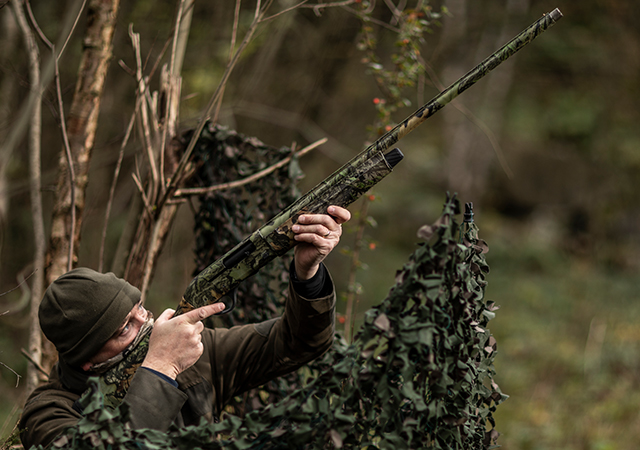
Target shooting and deer stalking in the UK are rarely fair-weather pursuits. Whether you are lying on a damp firing point on a freezing January morning or navigating a dreary Scottish moorland, you are inevitably going to face unpredictable and inclement weather.
Because range excursions; especially to dedicated long-range facilities, require significant investment in time, travel, and range fees, you want to ensure that neither you nor your equipment are compromised by a sudden downpour or a drop in temperature.
In this comprehensive guide, we explore the deep impact of winter weather on your ballistics and optics, highlight premium tactical clothing to keep you in the fight, and provide actionable advice on weatherproofing your gear using trusted brands available through Edgar Brothers.
The Ballistic Impact of Cold Weather: Understanding the Science
Winter in the UK can be picturesque, but the bitterly cold, damp air makes for testing shooting conditions. It is not just your comfort that is affected; temperature fundamentally changes how your rifle and ammunition behave.
1. Powder Burn Rates and Pressure
The most impactful factor of cold weather is its effect on the smokeless powder inside your cartridges. Colder temperatures slow down the chemical reaction during ignition. Consequently, the burn rate and the maximum pressure achieved are lower, leading to slower muzzle velocities and a lower point of impact on the target.
- Pro Tip: While modern single-base propellants are generally more temperature-stable than older double-base propellants, drops in velocity are still inevitable. Chronograph your hunting load in winter conditions to gather accurate seasonal dope.
2. Air Density and Drag
Cooler air is denser air. Your bullet has to push through more resistance en route to the target. This increased drag drastically exacerbates bullet drop and wind deflection over longer distances. A ballistic solver configured for summer temperatures will cause you to miss low in the dead of winter.
3. The "Cold Bore Shift"
A phenomenon heavily discussed in precision rifle series (PRS) and hunting circles is the "cold bore shift." In freezing conditions, your first shot from a completely cold steel barrel will often have a slightly different point of impact compared to subsequent shots once the barrel has warmed up. For deer stalkers, this cold bore shot is usually the only one that matters. Practise shooting from a truly cold bore to understand your rifle's specific winter shift.
Protecting Your Optics: Battling Thermal Shock and Fogging
Your rifle is only as good as the glass mounted on top of it. Moving between extreme temperatures; such as taking a rifle from a heated vehicle directly into the freezing outdoors, can cause catastrophic issues for unprepared optics.
- Internal Fogging: Premium scopes are purged with inert gases (like Argon or Nitrogen) and O-ring sealed to prevent internal moisture. However, older or compromised optics may suffer internal fogging when subjected to thermal shock. Always invest in high-quality, fully sealed optics.
- External Condensation: Bringing a freezing cold rifle back into a warm, humid room or vehicle will immediately draw condensation onto the exterior lenses. Do not wipe wet lenses with a rough cloth, as microscopic grit can scratch the lens coatings. Use flip-up scope caps to protect the glass from rain in the field, and allow the optic to acclimatise gradually to temperature changes.
The Threat of Moisture to Your Firearm
Moisture and firearms are a disastrous combination. While rust and pitting are the obvious long-term threats to blued steel, water in your action poses immediate safety and performance risks in the field.
If you are shooting in the rain, it is imperative to keep your ammunition, chamber, and receiver as dry as reasonably practicable.
- Hydraulic Wear: Excess moisture in the chamber prevents the brass cartridge from gripping the chamber walls upon firing. This drives adverse pressure spikes directly into the bolt face and can cause severe hydraulic wear on the brass.
- Extraction Failures: Wet brass can lead to failures to extract, requiring tools to clear the stoppage. If this happens on a remote hunting trip, it can quickly turn into a critical failure.
Layering Up: Tactical Clothing for Winter Shooting
The physical and mental discomfort of being cold and damp will rapidly erode your concentration, ruining your accuracy and precision. Being suitably clothed allows you to mitigate the weather and focus entirely on the mechanics of your shot.
Below is a curated selection of premium, weather-resistant clothing from Edgar Brothers’ supported brands, ideal for braving the British winter:
Base & Mid Layers (Arc'teryx LEAF)
Thermal regulation starts against the skin. You need materials that trap heat while wicking away sweat during strenuous stalks; if sweat cools on your skin, hypothermia becomes a genuine risk.
- Base Layers: Arc'teryx LEAF Bottoms and Arc’teryx Pro Zip Neck Shirt provide vital core insulation without bulk.
- Mid Layers: The Arc'teryx Atom Hoody is an industry standard for lightweight, breathable warmth that doesn't restrict your mobility when getting into prone shooting positions.
Outerwear & Trousers
Your outer layer must act as an impenetrable shield against wind and rain.
- Jackets: For extreme conditions, the Arc'teryx PRO Cold WX Jacket provides unparalleled weather resistance. For lighter, active pursuits, the Arc'teryx Practitioner AR Jacket is exceptional.
- Trousers: The Arc'teryx Pro Atom Pants offers rugged durability, ideal for kneeling on wet firing points or pushing through dense, wet heather.
Footwear & Gloves
Keeping your extremities warm and dry is essential for maintaining the fine motor skills required to manipulate a rifle bolt, adjust turrets, or squeeze a trigger.
- Gloves: Avoid overly bulky gloves that hinder dexterity. The Blackhawk Patrol Barricade Gloves or S&S Precision Wetworx Cold Weather Gloves offer incredible warmth without sacrificing trigger feel.
- Boots: A sturdy set of Gore-Tex boots is non-negotiable. Salomon Genesis Forces Mid offer robust traction, excellent ankle support, and guaranteed waterproofing for boggy terrain.
Waterproofing Your Ammunition & Electronics
Moisture is the death knell for electronics (like laser rangefinders and ballistic weather meters) and can slowly corrupt the propellant and primer in your ammunition if exposed for prolonged periods.
For shooters who need discreet, highly weather-resistant storage, Magpul offers industry-leading solutions:
- For Ammunition: The Magpul DAKA Ammo Sleeve is perfect for keeping rounds dry, clean, and organised in your pocket or pack.
For Gear & Electronics: The Magpul DAKA Large Utility Pouch, DAKA CAN 2.0, and DAKA Bins provide virtually indestructible, water-resistant homes for your mission-critical accessories.
Choosing a Rugged Backpack for Winter Trips
Being self-sufficient and mobile is critical when stalking or navigating a large outdoor range. A rugged, efficiently packed rucksack is your mobile base of operations, keeping your spare dry layers and equipment secure.
Bergara offers a fantastic selection of tactical backpacks designed specifically for shooters:
- The Bergara Daypack 35L: A lightweight, versatile pack featuring MOLLE loops, a dedicated waterproof compartment, and secure attachment points to safely carry your rifle; leaving your hands free and keeping the weight evenly distributed over rough ground.
- Dedicated Range Gear: For dedicated target days, the Bergara Shooting Range Bag and 20L Tactical Backpack offer supreme internal organisation for your ear defence, maintenance tools, and logbooks.
Post-Rain Rifle Maintenance: A Field Guide
If your rifle gets soaked, prompt maintenance is required to drive out moisture and protect the rifling from pitting. Here is a quick, actionable field-cleaning scenario using the Bergara Cleaning Kit.
Scenario: You’ve been caught in a heavy downpour on a deer stalk. Your rifle is wet and needs immediate attention before the drive home.
- Make Safe: Confirm the rifle is clear and unloaded. Remove the bolt and the sound moderator (if applicable). Never leave a wet moderator attached to a rifle, as the condensation will run straight down the barrel and cause rapid corrosion.
- Surface Dry: Wipe the exterior of the rifle free of visible standing water using a microfibre cloth.
- Drive Out Moisture: Apply Bergara Gun Degreaser to the exterior metalwork and run a patch through the barrel. This drives out water and debris without damaging synthetic stocks or rubber grips.
- Protect and Lubricate: Apply Bergara Bore Pro solvent to the chamber, bore, and all exposed metal parts. This solvent cleans fouling while leaving a protective barrier against corrosion.
- Acclimatise Before Safekeeping: This field clean secures your rifle for the journey. Once home, allow the rifle to come up to room temperature before locking it in your gun safe to prevent further condensation. Repeat the cleaning process thoroughly and apply a high-quality gun oil for long-term storage.
Wrapping Up
Shooting in the depths of a UK winter is undoubtedly a physical and mental challenge. However, a crisp, still, freezing morning on the range or in the woods can provide some of the most rewarding shooting experiences of the year.
By understanding the science of cold-weather ballistics, investing in premium weather-resistant clothing, and rigorously maintaining your equipment, you can effectively weather-proof your setup. Proper preparation ensures that no matter what the forecast dictates, you can brave the elements with absolute confidence.
FAQs
Yes, a cold barrel will often have a slightly different point of impact compared to a warm barrel, known as a "cold bore shift." Additionally, freezing temperatures slow powder burn rates and increase air density, causing bullets to impact lower than they would in summer conditions.
To prevent external condensation, allow your rifle and optics to acclimatise to temperature changes gradually rather than moving them directly from a heated car to freezing air. Keep flip-up scope covers closed until you are ready to shoot. To prevent internal fogging, ensure you are using high-quality optics purged with nitrogen or argon.
Yes. Traditional blued steel is highly susceptible to rust and requires rigorous oiling after exposure to moisture. Cerakote is a baked-on ceramic polymer finish that is vastly more resistant to corrosion, abrasion, and harsh weather conditions, making it superior for winter hunting.