

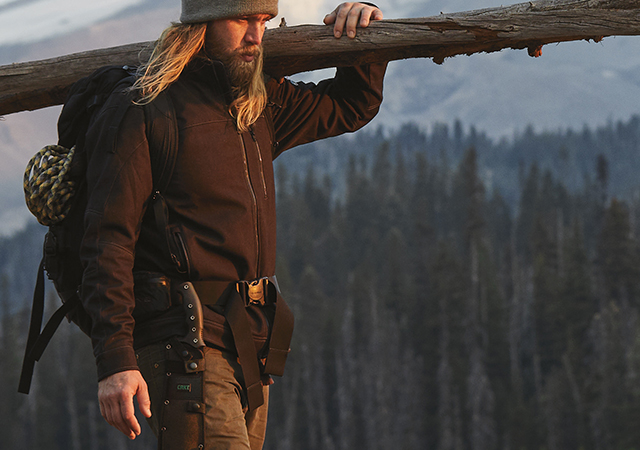
When it comes to exploring the rugged terrains of the Scottish Cairngorms, the peaks of Snowdonia, or the exposed fells of the Lake District, the weather is notoriously unforgiving. One moment you might be basking in the sun on a gentle ascent, and the next, you are battling gale-force winds, driving rain, and rapidly plummeting temperatures. For anyone serious about hill walking, mountaineering, or military and police operations in these environments, standard outerwear simply will not cut it.
You need a highly adaptive, professional-grade approach to your apparel. This is where investing in the pinnacle of tactical outdoor clothing becomes essential. An effective layering system offers maximum versatility, allowing you to regulate your core body temperature and manage moisture regardless of what the elements throw at you. In this comprehensive guide, we break down how to build an impenetrable defence against the elements using premium, 4-season mountain gear.
Why a Technical Layering System is Vital for UK Mountains
If you have spent any significant time in the Highlands, you will know that a single, bulky winter coat is often a liability. While a heavy jacket may keep you warm whilst stationary, the moment you begin a steep, strenuous ascent, your body will generate excess heat and sweat. Once you reach the summit or stop moving, that trapped moisture cools rapidly against your skin, leaving you freezing and dramatically increasing the risk of hypothermia.
Mastering the layering system for hiking UK terrain revolves around three core components working in harmony:
- The Base Layer: Sits flush against the skin to wick sweat and moisture away.
- The Mid-Layer: Traps body heat to provide vital insulation whilst allowing wicked moisture to continue escaping.
- The Outer Shell: Acts as a breathable but impenetrable weather-resistant barrier against wind, rain, and snow.
By wearing multiple thinner, technically advanced garments rather than one thick layer, you can easily add or shed clothing (often referred to as 'micro-adjusting') to match your exertion level and the external climate. This dynamic, modular approach is the cornerstone of professional outdoor survival.
Selecting the Best Moisture-Wicking Base Layers for Men
The foundation of any successful layering system starts right against your skin. The primary function of a base layer is not to provide intense heat, but to manage moisture through capillary action. This is done by drawing sweat away from your body so it can evaporate quickly.
For rigorous Highland expeditions, cotton is your worst enemy; it absorbs moisture, loses all insulating properties when wet, and takes hours to dry. Instead, modern tactical operators and seasoned hikers favour advanced synthetic blends or high-grade Merino wool.
For uncompromising performance, elite operators turn to ThruDark, a 'Tier 1' brotherhood of brands founded by former UK Special Forces. Built on unquestionably authentic principles and tested in the world's most hostile environments, ThruDark base layers and thermal undergarments are engineered for peak thermoregulation. Their garments utilise advanced body-mapping technology to provide heat where you need it and ventilation where you sweat most.
Alternatively, the Arc'teryx PRO Cold WX T-Shirt AR utilises a sophisticated nylon core-spun Merino wool construction. This offers the natural odour resistance and temperature regulation of wool, combined with the durability of a synthetic core, ensuring a perpetually dry micro-climate against your skin.
Mid-Layer Insulation: Balancing Warmth and Breathability
Once moisture has been wicked away from your skin by your base layer, it needs somewhere to go. This brings us to the mid-layer. This insulating layer must strike a delicate, technical balance: it needs to trap enough dead air to keep your core warm in sub-zero Highland winds, yet remain highly breathable so evaporated sweat can pass through to the outer shell.
Fleece and active synthetic insulated jackets are the gold standard for UK climates. Unlike standard goose down, which clumps and loses its ability to trap heat when exposed to moisture, high-quality synthetic insulation retains its thermal properties even when wet which is a crucial factor in the ever-damp British mountains.
Incorporating Arc'teryx PRO layers into your mid-section is one of the smartest investments you can make for year-round reliability. With lines specifically developed for professionals who require advanced solutions for critical operations, products like the Arc'teryx LEAF Atom LT Hoody Gen 2.1 offer an exceptional warmth-to-weight ratio. They utilise Coreloft™ synthetic insulation and air-permeable fleece side panels, ensuring that whilst your core remains optimally warm, you never suffer from stifling heat build-up during steep climbs.
Choosing the Right Arc'teryx PRO Shell for Extreme Weather
The final piece of the puzzle is the hard shell which is quite literally your armour against the relentless wind, rain, sleet, and snow characteristic of the British Highlands. A true technical hard shell must boast a high Hydrostatic Head (HH) rating to be entirely waterproof, feature fully taped seams and robust watertight zips, whilst still offering enough breathability (RET rating) to prevent the dreaded "greenhouse effect" inside your clothing.
When discussing elite weatherproof shells, the conversation inevitably turns to Arc'teryx and their mastery of GORE-TEX® fabrics. Having recently merged its LEAF and PRO lines into a singular, robust platform, Arc'teryx delivers pinnacle design ethos for those operating in extreme conditions.
If you are facing the absolute worst the Scottish winter has to offer, the Arc'teryx PRO Cold WX Jacket SV Gen 1.4 provides unparalleled protection. For high-mobility missions, scrambling, or fast-paced hikes, a lighter but equally resilient softshell like the Arc'teryx PRO Patrol Jacket AR acts as an outstanding barrier that moves fluidly with your body. These jackets are designed with articulated patterning to allow a full range of motion, and feature helmet-compatible storm hoods, making them the quintessential choice for 4-season mountain gear.
FAQs
For most UK mountain hikes, a 3-layer system (base, mid, and outer shell) is optimal. However, during deep winter, you may wish to add a fourth layer, such as an extra mid-weight fleece or a heavier static insulation jacket to throw on when you stop for lunch or summit photos.
While down provides an incredible warmth-to-weight ratio, traditional down loses its insulating properties when wet. If you are hiking in the typically wet UK weather, synthetic insulation (like Arc'teryx Coreloft™) is a much safer and more reliable option. Save the down jacket for dry, freezing days or wearing around camp.
Look for garments featuring active insulation and softshell materials. Brands like Arc'teryx PRO and ThruDark design their tactical gear specifically for high-output activities, utilising breathable side panels, pit zips for mechanical venting, and moisture-wicking fabrics to prevent overheating.