

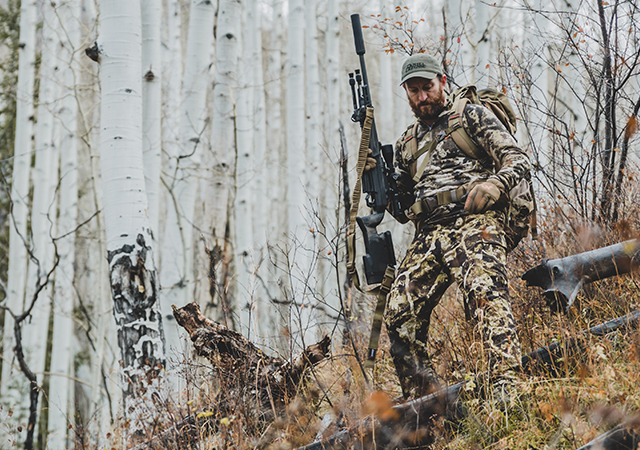
For military operators, law enforcement professionals, and serious mountaineers, operating in the unrelenting weather of the United Kingdom is a baseline expectation. Whether you are navigating the exposed ridges of the Scottish Highlands or conducting tactical exercises in the Brecon Beacons, torrential rain, sleet, and freezing winds are constants. In these environments, the difference between operational success and critical failure often comes down to your clothing. At the absolute vanguard of weather protection is GORE-TEX.
While countless commercial brands claim to offer "waterproof" garments, GORE-TEX remains the undisputed gold standard in the technical outerwear UK professionals trust with their lives. But what exactly makes this material so exceptionally reliable? In this in-depth guide, we break down the molecular science of GORE-TEX, exploring how it delivers unparalleled performance in the field and why elite operators refuse to compromise on their wet-weather gear.
How Does GORE-TEX Technology Work in Tactical Apparel?
At its core, understanding how GORE-TEX works requires looking beyond the fabric's surface and into the physics of its microscopic membrane. The traditional GORE-TEX membrane is essentially an ultra-thin layer of expanded polytetrafluoroethylene (ePTFE), though newer, highly advanced eco-friendly iterations utilise expanded polyethylene (ePE).
What makes this membrane revolutionary is its unique microporous structure. A single square inch of a GORE-TEX membrane contains over 9 billion microscopic pores. The scientific principle dictating its performance relies entirely on the vast difference in size between a liquid water droplet and a water vapour (sweat) molecule.
Because the pore is roughly 20,000 times smaller than a water droplet, external rain simply cannot penetrate the physical barrier. Simultaneously, because the pore is 700 times larger than a water vapour molecule, evaporated sweat passes through the fabric with ease. This extraordinary mechanism is what makes modern breathable tactical jackets so effective during high-output operations.
The Difference Between GORE-TEX and Standard Waterproofing
Not all waterproof materials are created equal. A common misconception in the outdoor sector is that any nylon fabric coated in a cheap polyurethane (PU) laminate will perform just as well as authentic GORE-TEX. While standard PU-coated raincoats will undoubtedly keep the rain out initially, they create an impenetrable barrier that completely traps internal heat and moisture.
If you are exerting yourself during a patrol or mountain ascent in a standard waterproof jacket, your sweat has nowhere to escape. This creates a severe "greenhouse effect" against your skin. Once you stop moving, that trapped moisture cools rapidly, dramatically drawing core heat away from your body and putting you at high risk of hypothermia in freezing conditions.
GORE-TEX bridges this critical gap by acting as a dynamic, selectively permeable barrier. It manages your internal microclimate intelligently by balancing two vital metrics:
Technical Outerwear Comparison
|
Metric |
Standard PU Waterproofs |
Authentic GORE-TEX Membranes |
Operational Impact |
|
Hydrostatic Head (HH) |
Typically 5,000mm – 10,000mm |
Consistently 28,000mm+ |
GORE-TEX withstands the high pressure of driving rain and heavy rucksack straps without leaking. |
|
Breathability (RET) |
High RET (Poor breathability) |
Low RET (High breathability, often <6) |
GORE-TEX actively vents moisture, keeping the operator dry from internal sweat build-up. |
|
Longevity & Flex |
Coatings crack and peel over time. |
Membrane is highly durable and flexible. |
GORE-TEX sustains its integrity through rigorous tactical movements and harsh field conditions. |
Why Professionals Choose GORE-TEX for High-Output Missions
Elite operators demand gear that will not fail under duress. When you are undertaking a multi-day mission, your outerwear must endure significant abrasion from heavy plate carriers, tactical webbing, Bergens, and abrasive rocky terrain.
Before any garment earns the coveted GORE-TEX "Guaranteed to Keep You Dry" label, the prototypes must pass a notoriously brutal suite of independent laboratory assessments. A standard GORE-TEX durability test involves the "Martindale test" for extreme abrasion resistance, the "Crumple Flex test" (subjecting the fabric to hundreds of hours of continuous squashing and stretching to ensure the microporous membrane does not crack), and the dreaded Rain Room, which simulates gale-force multi-directional storms.
This rigorous, uncompromising testing ethos is precisely why elite tactical lines, such as Arc'teryx PRO waterproof garments, rely almost exclusively on GORE-TEX. Products like the Arc'teryx PRO Cold WX Jacket SV combine this breathable membrane with robust tactical face fabrics and advanced synthetic insulation. By integrating best-in-class GORE-TEX, Arc'teryx ensures that their tactical apparel offers unrestricted mobility and total environmental shielding, cementing its status as essential police and military equipment.
Essential Care Tips for GORE-TEX Jackets and Trousers
A surprisingly common myth in the tactical community is that washing a GORE-TEX hardshell jacket will ruin its waterproofing. In reality, failing to wash your technical garments will destroy their breathability and dramatically shorten their lifespan. Dirt, body oils, camouflage cream, and campfire smoke clog the microscopic pores of the ePTFE membrane, whilst simultaneously degrading the factory-applied Durable Water Repellent (DWR) coating on the outer fabric.
To maintain peak operational performance, follow these essential care steps:
- Wash Regularly: Machine wash your garments on a warm, gentle cycle (usually around 40°C) using a specialised technical wash or a minimal amount of pure liquid detergent. Strictly avoid powder detergents, fabric softeners, stain removers, and bleach, as these will permanently blind the membrane and strip the DWR.
- Rinse Thoroughly: Always run the jacket through an additional rinse cycle to ensure all soap residue is entirely removed from the fabric layers.
- Reactivate the DWR: Tumble dry the garment on a warm, gentle setting for 20 minutes. Gentle heat chemically reactivates the DWR treatment on the face fabric, ensuring that water continues to bead up and roll off rather than soaking in.
- Re-Proof When Necessary: If water stops beading and instead visibly soaks into the outer fabric (a process known as "wetting out"), the original DWR has worn off. The jacket will still be waterproof, but breathability will plummet. You can restore it by applying a specialised wash-in or spray-on DWR reproofer while the garment is freshly washed and damp, then tumble drying as instructed above.
Master Your Environment
Understanding the fundamental science behind your equipment allows you to deploy it with absolute confidence. GORE-TEX technology represents the pinnacle of material engineering, ensuring that you remain dry, warm, and highly operational regardless of the environmental hostility you face on the ground.
To upgrade your severe-weather kit, explore our extensive range of high-performance technical apparel at Edgar Brothers, featuring elite brands that uncompromisingly demand the very best in tactical weather protection.

FAQs
Yes, genuine GORE-TEX membranes are 100% waterproof. The pores in the membrane are thousands of times smaller than a water droplet, making it physically impossible for liquid water to pass through, even under the extreme pressure of high winds or heavy pack straps.
If your jacket is "wetting out" (the outer fabric is soaking up water instead of repelling it), moisture cannot escape from the inside. Consequently, your own trapped sweat condenses against the cold inner wall of the jacket, making it feel as though the jacket has leaked. This is a sign that you need to wash the jacket and reapply a DWR treatment.
Absolutely. Because a GORE-TEX shell is an uninsulated, breathable barrier, it serves as the ultimate four-season outer layer. In summer, it blocks rain while venting sweat; in winter, it acts as a windproof and waterproof shield worn over your thermal base and mid-layers.