

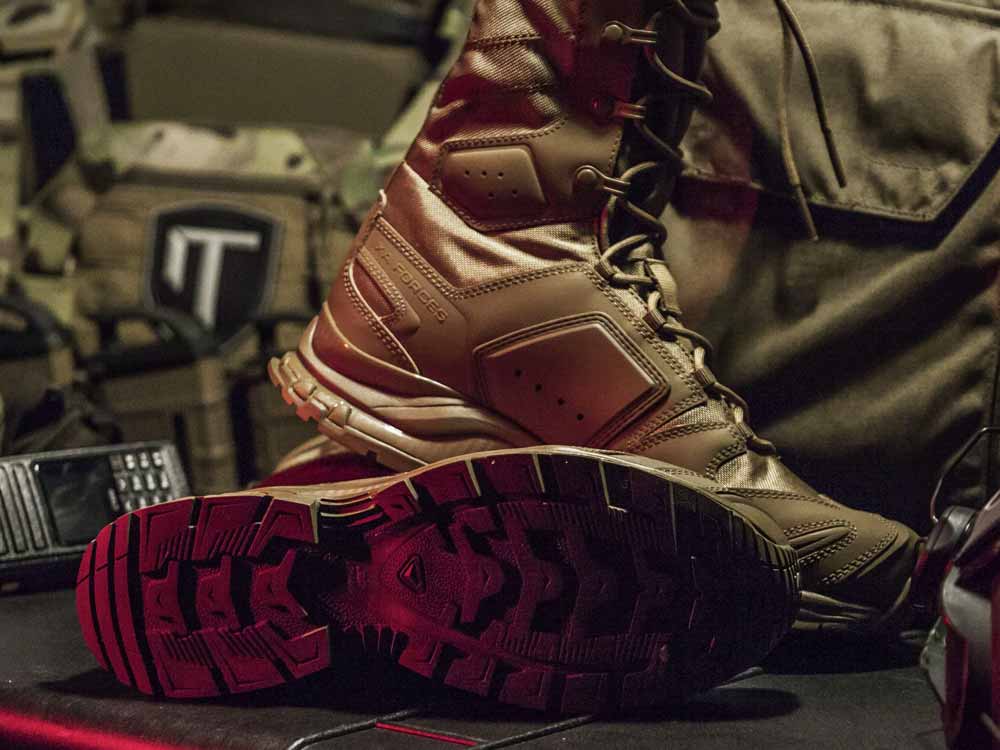
When the British winter sets in, the landscape transforms. The relatively benign trails of summer become treacherous, bogged down by freezing mud, sleet, and hidden sheets of ice. For military operators, law enforcement officers, and dedicated outdoor professionals, retreating indoors is not an option. Your footwear must be entirely uncompromising.
Operating in sub-zero temperatures with inadequate boots does not just cause discomfort; it directly degrades your operational effectiveness and severely increases the risk of debilitating cold-weather injuries. In this comprehensive guide to cold weather footwear, we break down the critical elements of high-performance winter legwear, ensuring your feet remain warm, dry, and protected in the harshest environments.
How to Choose the Best Winter Tactical Boots for UK Weather
The UK winter is uniquely challenging. Unlike the dry, powdery snow found in alpine or arctic environments, British winters are notoriously wet, hovering just above or below the freezing point. This means that the winter boots for men UK operators must master two contrasting elements simultaneously: trapping heat and repelling relentless liquid moisture.
When assessing thermal tactical boots, your primary focus should be on a layered defence system:
- The Outer Shell: Look for full-grain leather or highly durable synthetics treated with a robust Durable Water Repellent (DWR) coating.
- The Waterproof Membrane: A Gore-Tex (GTX) or equivalent breathable waterproof liner is non-negotiable for UK winters. It ensures that while freezing puddles stay out, internal sweat can still escape.
- The Fit: Winter boots must accommodate thicker Merino wool socks without compressing your foot. A tight boot restricts blood circulation, which actively makes your feet colder and accelerates fatigue.
Elite brands available in our footwear collection explicitly design their winter lines to combat these dual threats, bridging the gap between heavy-duty combat boots and agile mountain footwear.
Understanding Insulation: Synthetic vs. Natural Thermal Linings
A boot's ability to keep you warm depends entirely on its insulation material. The primary function of insulation is to trap a layer of "dead air" around your foot, which your body heat then warms up. When looking at insulated hiking boots and tactical footwear, you will generally encounter two categories: natural and synthetic.
For the damp British climate, synthetic insulation reigns supreme.
Footwear Insulation Comparison
|
Insulation Type |
Key Characteristics |
Performance in Wet Conditions |
|
Synthetic (e.g., Thinsulate™, PrimaLoft®) |
Ultra-lightweight, highly compressible, retains warmth. |
Excellent: Retains up to 90% of its insulating properties even when soaking wet. |
|
Natural (e.g., Shearling, Down) |
Incredible warmth-to-weight ratio, extremely comfortable. |
Poor: Clumps and loses thermal efficiency instantly when exposed to moisture. |
|
Fleece Linings |
Breathable, provides immediate warmth against the skin. |
Moderate: Dries relatively quickly but offers less wind resistance. |
Modern tactical brands, such as Salomon Forces, frequently utilise advanced synthetic insulations like Aerotherm™ Aerogel or Thinsulate™ in their winterised lines. These materials provide maximum thermal retention without adding the bulky weight that causes leg fatigue during deep snow patrols.
The Best Sole Treads for Ice and Wet Mud Conditions
A warm boot is useless if you cannot stay on your feet. Winter terrain requires a highly specialised outsole to maintain traction. Standard summer hiking soles become dangerously stiff in freezing temperatures, effectively turning into hard plastic that skates over ice.
To maintain your footing, your boots must feature a winter-specific rubber compound. These outsoles remain soft and pliable in sub-zero temperatures, allowing the rubber to grip microscopic imperfections in ice and slick rock.
Furthermore, you must evaluate the lug pattern (the physical treads on the bottom of the boot):
- Deep, Aggressive Lugs: Essential for biting into thick, wet mud and loose snow.
- Wide Lug Spacing: Crucial for "self-cleaning." If the lugs are too close together, mud and snow will pack into the sole, turning the bottom of your boot into a frictionless surface.
- Heel Brake: A pronounced, undercut heel lug that acts as an emergency brake when descending steep, slippery gradients.
Expert Tip: Look for soles featuring Contagrip® Winter or Vibram® Arctic Grip. These compounds are engineered specifically for high-traction performance on wet ice and frozen terrain.
Foot Health: Preventing Cold-Weather Injuries in the Field
Even with the finest footwear, neglecting personal foot administration in the field can lead to severe operational casualties. The most prevalent threat in the UK is not frostbite, but Non-Freezing Cold Injury (NFCI). NFCI is most commonly known as trench foot.
Preventing trench foot is paramount. This condition occurs when feet are exposed to damp, cold (but not necessarily freezing) conditions for prolonged periods. The blood vessels constrict, starving the tissue of oxygen and nutrients, leading to nerve damage, swelling, and extreme pain.
Follow these non-negotiable steps to protect your foot health:
- Change Socks Religiously: Never sleep in the socks you tabbed in. Always carry a dry pair of Merino wool socks sealed in a waterproof bag specifically for static periods or sleeping.
- Manage Sweat: If your feet are sweating heavily during an intense ascent, your boots and socks are absorbing that moisture. Slow your pace if possible, or change socks once you reach the summit before the sweat cools.
- Powder and Inspect: Use a talcum-free foot powder to absorb excess moisture during long patrols. Inspect your feet daily for redness, numbness, or tingling which are the early warning signs of NFCI.
- Dry Boots Carefully: Never force-dry your boots next to a roaring fire or on a scorching radiator. This destroys the waterproof membranes and melts sole adhesives. Remove the insoles and dry them slowly at room temperature.
Step Securely Into Winter
Winter operations demand a complete refusal to compromise on gear. By equipping yourself with technically advanced, heavily insulated, and deeply lugged footwear, you transform the harsh British winter from an operational hazard into a manageable environment.
Ensure you are ready for the freeze. Explore our comprehensive collection of premium cold-weather footwear at Edgar Brothers, featuring elite brands trusted by professionals operating at the very edge of human endurance
FAQs
Generally, you should opt for at least a half-size larger than your standard summer footwear. This accommodates thicker thermal socks and allows a vital layer of warm air to circulate around your toes. A boot that is too tight will restrict blood flow, making your feet freeze much faster.
While exceptionally warm, heavily insulated tactical boots can cause overheating if worn indoors or during mild weather. For everyday UK winter wear (commuting or light high-street walking), a moderately insulated, waterproof Gore-Tex boot is often more versatile than a deep-winter alpine boot.
While winter-specific rubber compounds provide excellent traction, solid black ice is unforgiving. For guaranteed grip on sheer ice, you should pair your boots with removable micro-spikes or tactical crampons, which physically bite into the frozen surface.